Snapshot:
• Sewage backups are classified as Category 3 contaminated water, meaning they carry bacteria, viruses, and other pathogens that require specialized handling.
• Professional extraction, disinfection, and disposal of affected porous materials are standard steps in a safe cleanup.
• Hinsdale, IL households dealing with basement or fixture backups benefit from understanding the health risks before starting any cleanup work.
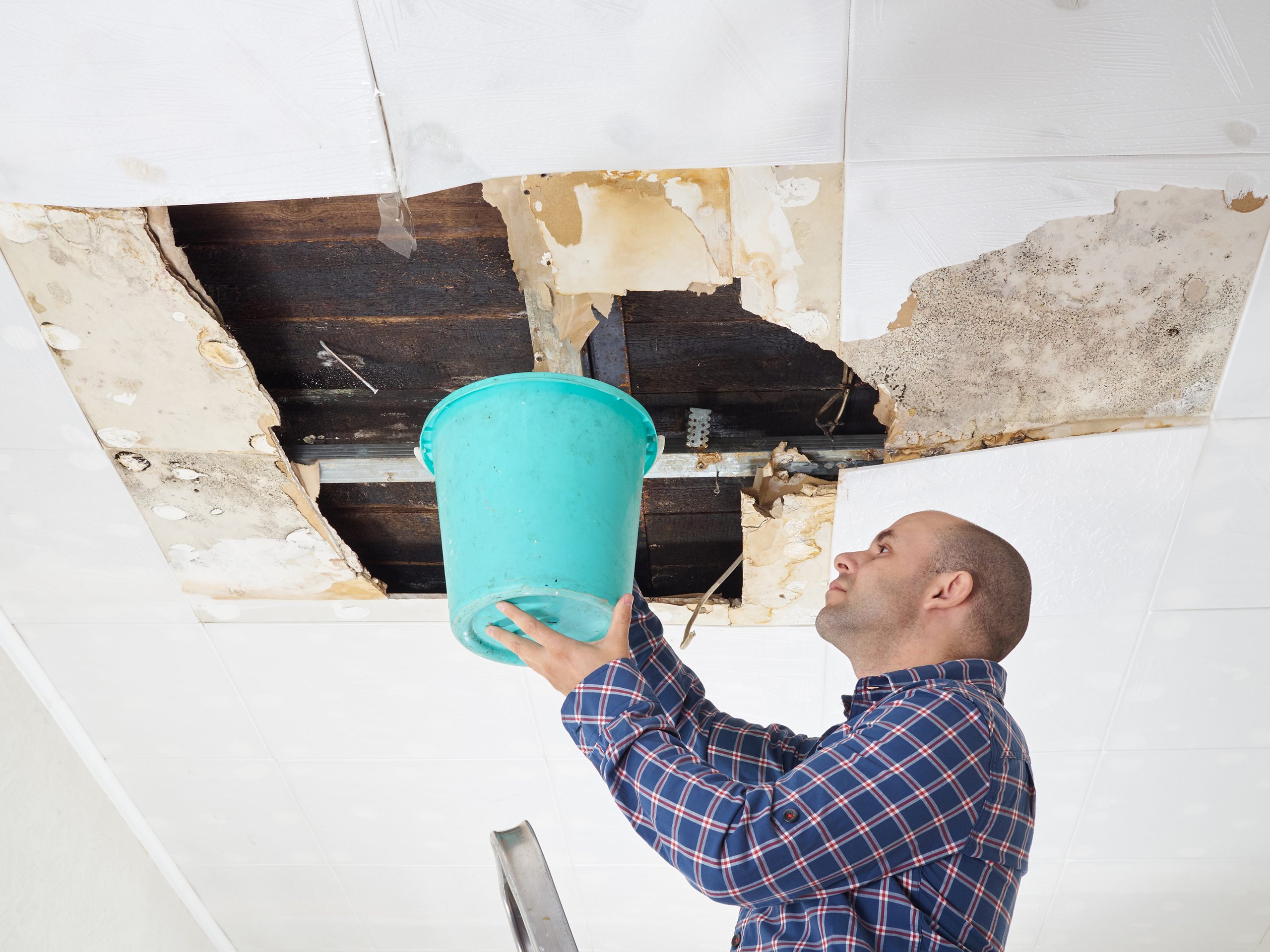
A sewage backup inside a home or business requires immediate, careful attention because the water is contaminated with bacteria, viruses, and other pathogens that pose direct health risks. Professional sewage cleanup addresses both the visible mess and the hidden contamination left behind in flooring, drywall, and other porous materials.
Standing water from a toilet, floor drain, or sewer line backup is never just a plumbing nuisance. It falls into a contamination category that changes how the cleanup must be approached, from the protective gear used to the materials that can or cannot be saved. Learn More from Parkside Restoration about professional sewage cleanup.
Why Sewage Backups Are a Health Concern, Not Just a Mess
Sewage water is classified as Category 3, or “black water,” under industry cleanup standards because of the volume of harmful organisms it can carry.
• Bacteria such as E. coli and Salmonella can cause gastrointestinal illness on contact.
• Viruses including Hepatitis A and norovirus spread easily through contaminated water.
• Parasites like Giardia and Cryptosporidium can survive in standing water for extended periods.
Because of these risks, the EPA recommends that contaminated water situations be handled by professionals experienced in cleaning and repairing buildings affected by sewage or floodwater. Direct skin contact, inhalation of aerosolized particles, and even indirect contact with contaminated surfaces can all transmit illness.
What Professional Cleanup Typically Involves
A structured response reduces the chance that contamination spreads to unaffected areas of a property. Steps generally include:
1. Site assessment to determine the extent of contamination and affected materials.
2. Containment of the impacted area to prevent cross-contamination.
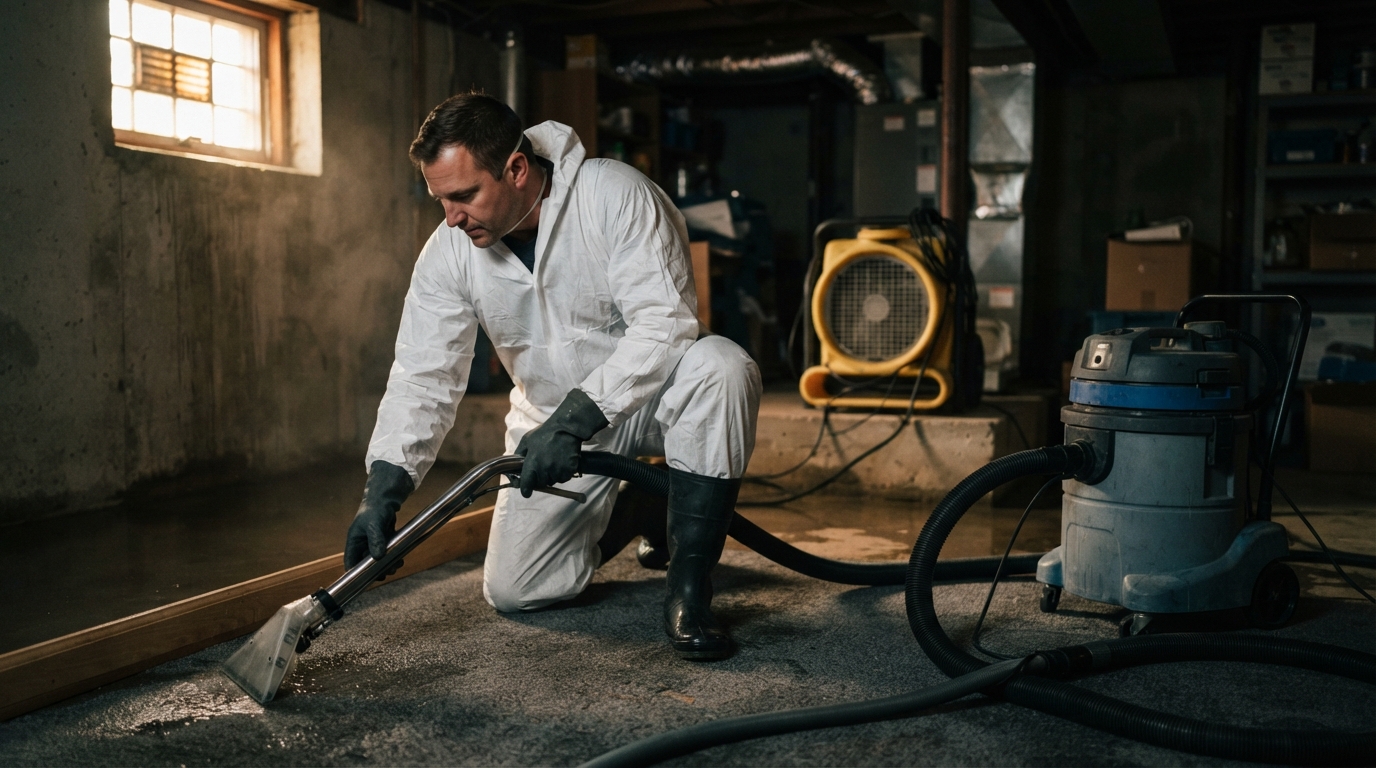
3. Extraction of standing sewage water using specialized equipment.
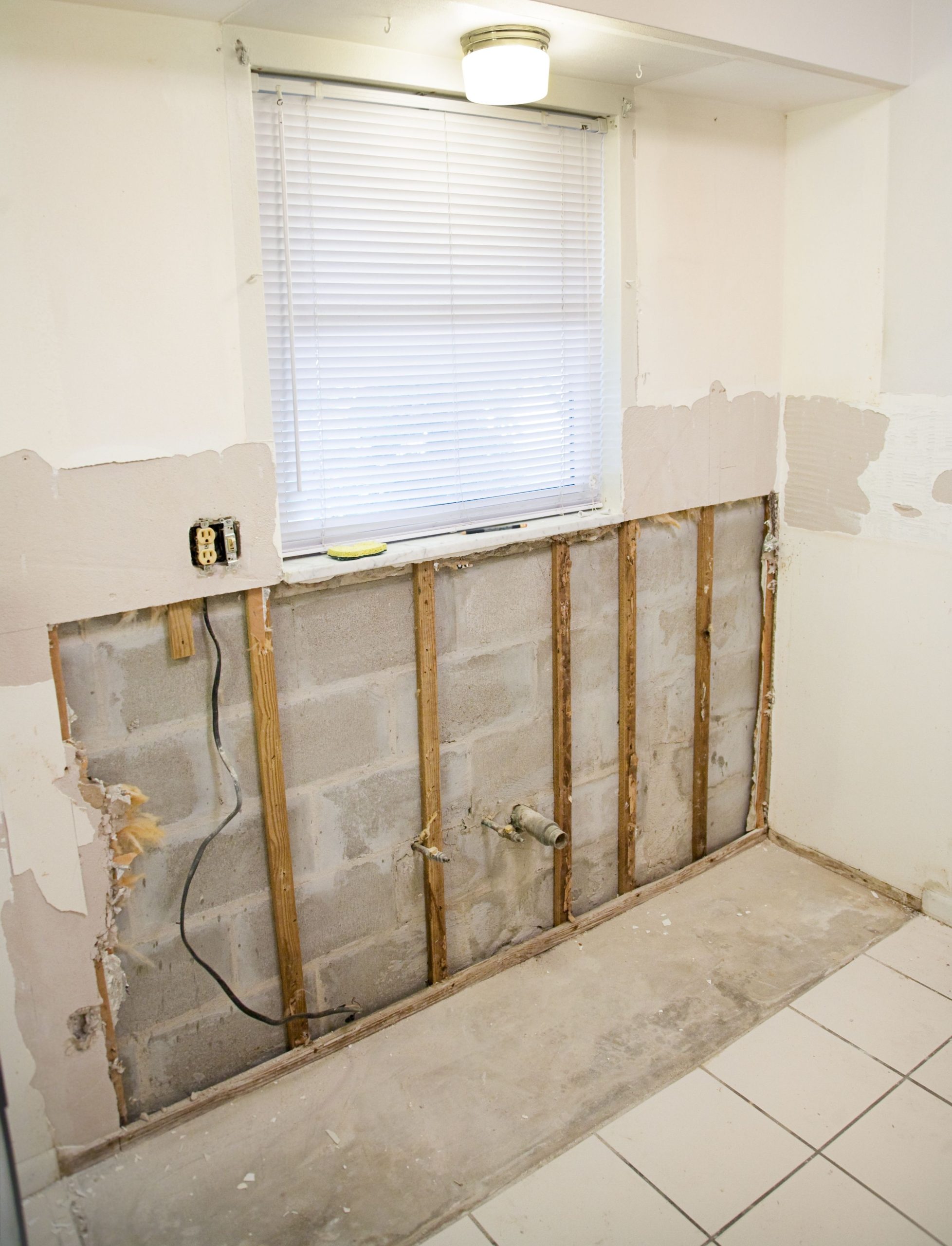
4. Removal and disposal of porous materials that absorbed contaminated water, such as carpeting, carpet padding, and some drywall.
5. Disinfection of structural surfaces with appropriate antimicrobial treatments.
6. Structural drying to prevent secondary mold growth.
Homeowners in Hinsdale, IL dealing with an older home or a finished basement should expect more extensive material removal than a newer build with fewer absorbent surfaces at the point of contact.
DIY Versus Professional Response
| Factor | DIY Attempt | Professional Response |
| Protective equipment | Household gloves, limited coverage | Full-body protective gear, respiratory protection |
| Material assessment | Visual judgment only | Trained evaluation of what can be salvaged |
| Disinfection | General household cleaners | Hospital-grade or EPA-registered disinfectants |
| Equipment used | Shop vacuums, fans | Industrial extraction and drying equipment |
Attempting to clean sewage-contaminated water with household equipment like wet/dry vacuums or box fans risks spreading airborne pathogens further through a structure rather than containing them.
Service Area and Local Considerations
Older homes and properties with finished basements in Hinsdale, IL face particular exposure to sewer backups during heavy rain events, when municipal systems can become overwhelmed. Based in Bolingbrook, IL, Parkside Restoration responds to properties across Hinsdale, IL when backups occur.
Parkside Restoration lists sewage cleanup among its core services, alongside water damage restoration and mold remediation, for residential and commercial properties in the surrounding area. Any property owner facing a backup should document the damage for insurance purposes before cleanup begins, since coverage for sewer-related losses often depends on specific policy endorsements.
Frequently Asked Questions
Is sewage backup water always considered contaminated, even if it looks clear? Yes. Industry classification treats any sewage backup as Category 3 contaminated water regardless of its visible clarity, since the source itself determines the contamination level rather than appearance.
Can carpet or drywall be saved after a sewage backup? Porous materials that absorb contaminated water, including carpet, carpet padding, and drywall below the water line, typically cannot be sanitized to a safe standard and are usually removed and discarded.
How quickly should cleanup begin after a sewage backup? Cleanup should begin as soon as it is safe to do so, since prolonged exposure increases the risk of secondary damage such as mold growth in addition to ongoing contamination.
Does homeowners insurance cover sewage backup cleanup? Coverage varies by policy, and many standard homeowners policies exclude sewer backup damage unless a specific endorsement has been added, so reviewing a policy’s declarations page is a necessary first step.
Property owners weighing cleanup options can review published service details through Parkside Restoration Business Location on Google Maps, which lists contact and service-area information for the region.