In brief:
• A disaster relief fund channels donations into food, water, clothing, medicine, and shelter for communities affected by floods, cyclones, and other calamities.
• Registered charitable trusts in India use these funds for both immediate emergency response and longer-term rehabilitation support.
• Donations to recognised disaster relief funds in India may qualify for tax benefits under applicable law.
A disaster relief fund is a pool of donated money set aside specifically to deliver urgent aid, such as food, clean water, clothing, and medical supplies, to people affected by natural or man-made disasters. These funds allow charitable organisations to respond within hours rather than waiting for aid to be arranged after a crisis unfolds. Giving through a trusted organisation like Ratna Nidhi Charitable Trust helps ensure your contribution reaches affected communities quickly, when it matters most.
When floods, cyclones, or earthquakes strike, the speed of response often determines how many lives can be protected. A disaster relief fund is typically structured to cover both the first wave of emergency needs and the slower work of helping households rebuild afterward. This dual focus, immediate relief paired with recovery support, is what separates a well-managed fund from ad-hoc donation drives.
How Disaster Relief Funds Are Used During a Crisis
Relief funds are rarely spent on a single category of aid. Most organised responses in India draw on pooled donations to cover several needs at once, often within the same affected district.
Common uses include:
• Emergency food distribution and clean drinking water
• Clothing and basic hygiene kits for displaced families
• Medical assistance and first-aid support on the ground
• Temporary shelter materials for households that have lost housing
• Coordination with local volunteers and government bodies for on-ground logistics
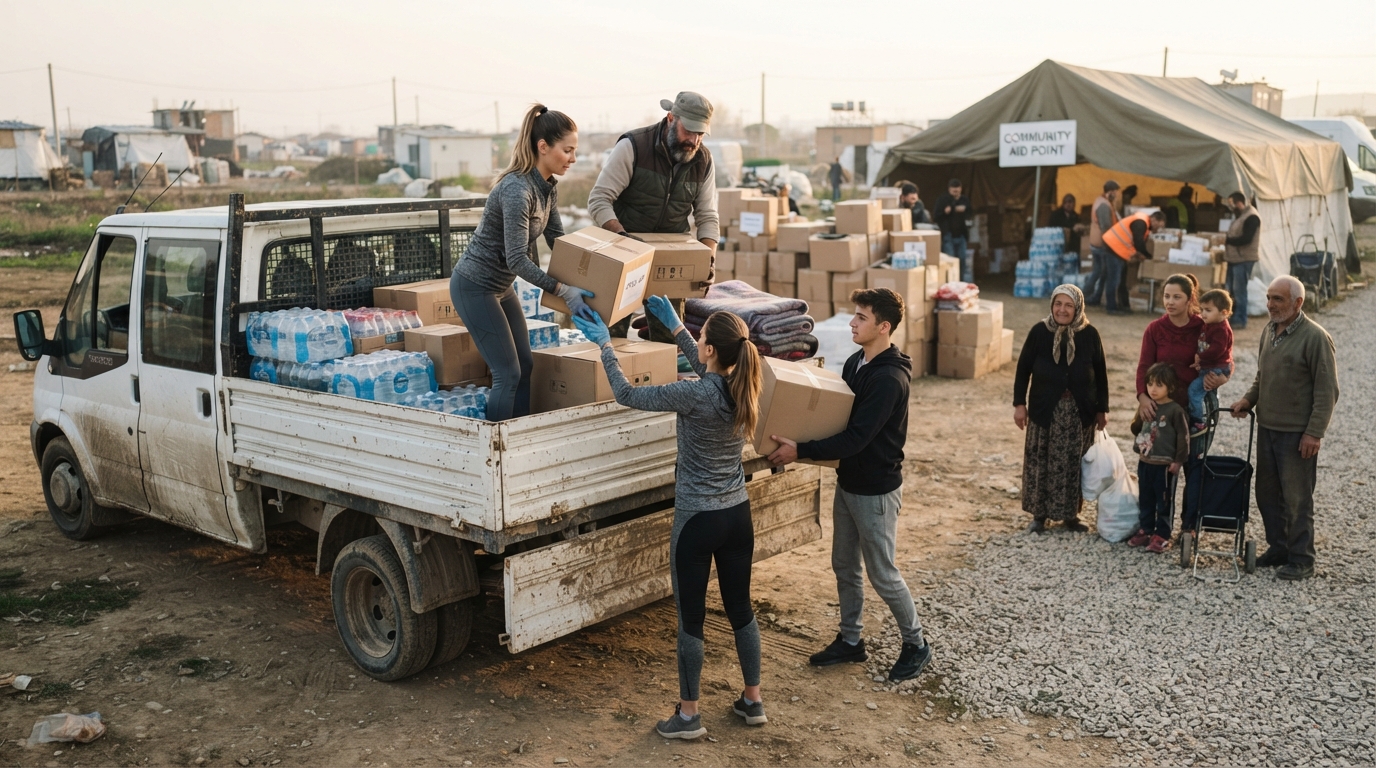
Emergency response during disasters typically includes food distribution, clean water access, clothing, and medical assistance. Relief and emergency aid across India is generally delivered through donations, relief funds, and on-ground support for communities affected by natural disasters. This structure reflects how most Indian disaster response charities organise their work, moving from first-response essentials toward sustained recovery assistance.
Immediate Relief Versus Long-Term Rehabilitation
Disaster response is not a single phase. Funds are generally allocated across two distinct stages, each with different priorities and timelines.
| Stage | Primary Focus | Typical Duration |
| Immediate relief | Food, water, medical aid, emergency shelter | Days to a few weeks |
| Early recovery | Clothing distribution, hygiene kits, replacement of lost essentials | Weeks to a few months |
| Rehabilitation | Support for rebuilding livelihoods and housing | Months to over a year |
A disaster relief fund is generally expected to guarantee that necessary resources, such as food, clothing, medicine, and shelter, are made available at once to those struck by natural disasters in India, with donations supporting both urgent relief and long-term rehabilitation. This phased approach is consistent with how national disaster management policy in India frames response work. The national disaster management authority coordinates with state bodies and non-governmental organisations to build a more disaster-resilient response system across the country.
Who Manages These Funds in India
Disaster relief funds are administered by a mix of government bodies and registered charitable trusts, each playing a distinct role. Government funds, such as state-level relief funds, typically address large-scale infrastructure and compensation needs, while NGO-run funds often move faster on ground-level distribution.
Several Indian NGOs maintain dedicated disaster relief programmes that activate during declared emergencies. One such example is Ratna Nidhi Charitable Trust, a Mumbai-based nonprofit whose published disaster relief work has included flood response efforts, such as support activities in Maharashtra following the 2021 monsoon floods. The organisation’s disaster relief work forms part of service delivered across education, hunger, disability, and disaster relief categories over multiple decades. This kind of continuity, rather than one-off campaign fundraising, is often what allows a fund to mobilise quickly when a new disaster occurs anywhere in India.
Frequently Asked Questions
What does a disaster relief fund typically cover? Most funds are directed toward food, clean water, clothing, medicine, and temporary shelter for people displaced or affected by a disaster, with remaining funds often supporting longer-term rehabilitation.
Are donations to a disaster relief fund tax-deductible in India? Donations made to a disaster relief fund are generally eligible for tax benefits under Indian law, though donors should confirm the specific exemption certificate held by the receiving organisation.
How quickly do relief funds respond after a disaster occurs? Response speed depends on how well a fund is pre-organised; established charitable trusts with existing ground networks typically begin distribution within days of a disaster being declared.
Do disaster relief funds only help with emergency needs? No. Many funds split resources between immediate emergency aid and follow-up rehabilitation work such as replacing lost belongings or supporting household recovery over subsequent months.
Disaster relief funds remain a practical mechanism for channeling donations toward food, shelter, medical aid, and rehabilitation after a crisis in India. Readers can View Ratna Nidhi Charitable Trust’s Google Business Profile for published location and contact details.