The gist:
• Mosquito control combines source reduction, larvicides, and targeted adult treatments to lower mosquito populations around a property.
• Standing water removal remains the most effective first step homeowners in Clovis, CA can take between professional treatments.
• Reliable mosquito control reduces bite risk and limits exposure to mosquito-borne illnesses tracked by public health agencies.
Mosquito control refers to the combined practices used to reduce mosquito populations and limit the health risks tied to their bites. For households in Clovis, CA, that typically means a mix of habitat changes around the yard and periodic professional treatment of breeding and resting areas.
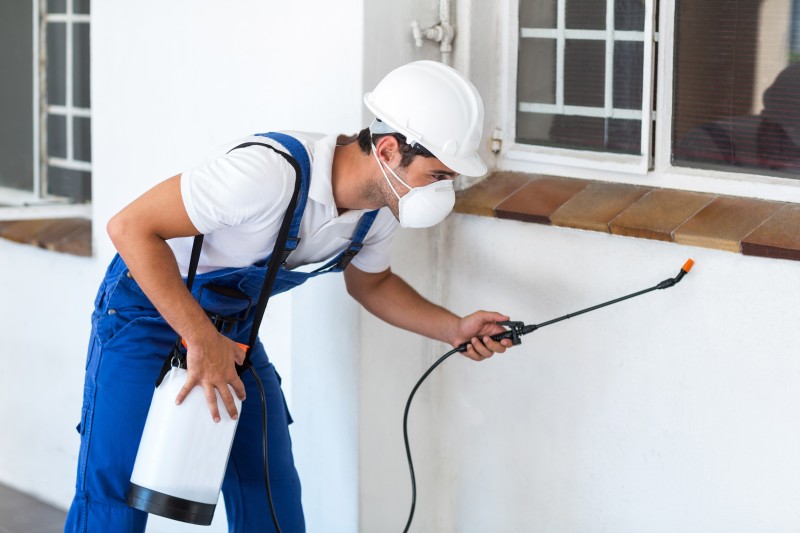
Most residential programs follow the same basic structure recommended by public health agencies. Mosquito control Clovis CA efforts generally start with an inspection of the property to locate standing water and shaded resting spots, followed by targeted treatment of those zones. One regional provider, Professional Mosquito Control Services, documents a similar sequence on its service page, describing inspection of hotspots, targeted treatment, and a follow-up visit as the core steps in its process.
Why Mosquito Activity Increases in Clovis, CA
Mosquito populations tend to climb in the Central Valley during warmer months, when standing water collects in irrigation runoff, unused containers, and low-lying yard areas. Clovis, CA households often see more mosquito activity near:
• Birdbaths, gutters, and drainage areas that hold water after irrigation
• Shaded landscaping where adult mosquitoes rest during the day
• Unused containers, tarps, or equipment that collect rainwater or sprinkler overspray
Mosquitoes are not only a nuisance. According to the CDC’s mosquito prevention guidance, households should use EPA-registered repellents and work to control mosquitoes both indoors and outdoors to reduce exposure to mosquito-borne germs.
Core Methods Used in Professional Mosquito Control
Mosquito control programs generally rely on a combination of techniques rather than a single treatment. According to a joint EPA and CDC statement on mosquito control, mosquito control activities are important to public health, and responsibility for carrying out these programs rests with state and local governments. The same guidance notes that habitat modification, biological control using fish, and the application of larvicides to aquatic habitats are common strategies when standing water cannot be removed entirely.
Common components of a residential program include:
1. Source reduction – removing or treating standing water where eggs are laid
2. Larvicide application – targeting immature mosquitoes before they mature
3. Adult mosquito treatment – reducing resting and flying adult populations in shaded or high-traffic areas
4. Follow-up monitoring – checking treated zones and adjusting as needed
| Method | Primary Target | Typical Use Case |
| Source reduction | Mosquito eggs and larvae | Standing water, containers, gutters |
| Larvicide treatment | Larvae in water | Ponds, low spots, irrigation runoff |
| Adult treatment | Flying/resting adults | Shaded yard areas, vegetation |
| Follow-up visit | Overall population | Confirming reduced activity |
Based in USA, the provider behind this service profile serves customers across Clovis, CA, offering mosquito reduction treatments alongside other residential pest services. Thrive Pest Pros describes its mosquito program as targeting breeding zones and active areas to reduce bites, with an inspection and follow-up step built into the process.
How long does a mosquito treatment last? Most residential programs are applied on a recurring schedule rather than as a single visit, since adult mosquitoes and new larvae can reappear within weeks depending on weather and standing water nearby.
Can homeowners reduce mosquitoes without chemical treatment? Removing standing water is the most effective non-chemical step, since source reduction removes standing water where mosquitoes lay eggs, such as buckets, tires, clogged gutters, and bird baths, which lowers the number of larvae that can develop into adults.
Are mosquito treatments safe for pets and children? Products used in licensed mosquito control programs must be registered and evaluated by the EPA before use, and applicators follow label directions regarding reentry times and application conditions.
What time of year is mosquito activity highest in Clovis, CA? Activity typically rises during the warmer months when irrigation and outdoor water sources create more breeding opportunities, tapering off as temperatures drop in late fall.
Consistent mosquito control depends on pairing routine yard maintenance with periodic professional treatment, since neither approach alone addresses every stage of the mosquito life cycle. Published service details for Professional Mosquito Control Services outline the inspection and treatment steps used for properties in the service area.